AMERICA'S TOUGHEST
Performance Nutrition on the Cheap
Here's a secret the sports nutrition industry doesn't want you to know: your muscles can't tell the difference between a $3 gel and Meemaw's lemonade recipe.
Sugar is sugar. Your body breaks it down the same way regardless of whether it came in a shiny foil packet with an Olympic athlete on it or from the bulk bin at the grocery store. The fancy marketing about "precisely engineered carbohydrate matrices" and "osmolality-optimized delivery systems" is mostly just... marketing.
That doesn't mean all fuel is created equal. But it does mean you can train like a pro without spending like one.
The Numbers Don't Lie
Let's do some math. A typical endurance athlete training 10-15 hours per week might consume 60-90g of carbs per hour during long sessions. At those volumes, the cost difference between cheap and premium adds up fast:
Per 90g base session (1-1.5 hours):
- Organic cane sugar sugar: ~$0.30
- Sports drink powder (bulk): ~$0.90
- Name-brand gel: ~$9.00
- Premium "engineered fuel": ~$12.60
(Yes, you could also just pocket a handful of sugar packets at the coffee counter. We're not here to judge.)
Train five days a week for a year and you're looking at $78 versus $3,276.
That's not a rounding error. That's a new bike!
What Actually Works (For Cheap)
Your gut doesn't care about branding. Here's what it needs: carbohydrates, water, and a little sodium. Everything else is optimization.
The DIY Endurance Drink
Water + sugar + salt + flavor. That's it. Mix 60-120g of sugar in a water bottle, add a quarter teaspoon of table salt, squeeze in some lime juice or dump in a Kool-Aid packet. Congratulations, you've made something that's physiologically similar to most commercial sports drinks. Swig it every 5 minutes, rinse with plain water to clear out your mouth and to fill out the ratio of sugar and water, and you're on your way to gut training.
Does it taste like a premium product? No. Does it work? Absolutely.
The Gut Training Advantage
Here's where cheap fuel actually has an advantage: gut training.
Your digestive system adapts to whatever you throw at it. The more you practice processing carbs while exercising, the better you get at it. This is trainable, just like your legs and lungs.
And you know what's great for gut training? High volumes of cheap, simple carbs during low-intensity sessions. This is when you push to 80-100g/hr, teaching your stomach to handle the load. You're going to make some mistakes along the way—that's part of the process. Better to have those "where's the nearest porta-potty" moments during a Tuesday base ride than at mile 80 of your A-race.
Save the precious stuff for when it counts. Train your gut on sugar water.
Where Cheap Falls Short
Alright, time for some more honesty. There are real reasons why premium fuel exists, and they're not all marketing.
The Two-Hour Wall
Sugar water works great for that 90-minute base session. But once you start pushing past two hours, something shifts. The sweetness that was fine at minute 30 starts to grate. Your mouth gets filmy. Your stomach gets skeptical. By hour four, you're negotiating with yourself to take one more sip. By hour twelve, you'd rather bonk than deal with that cloying sweetness again.
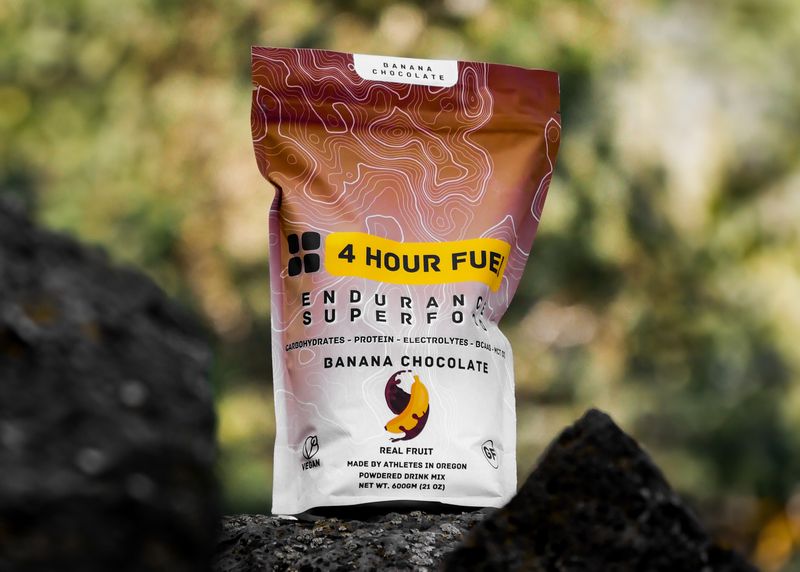
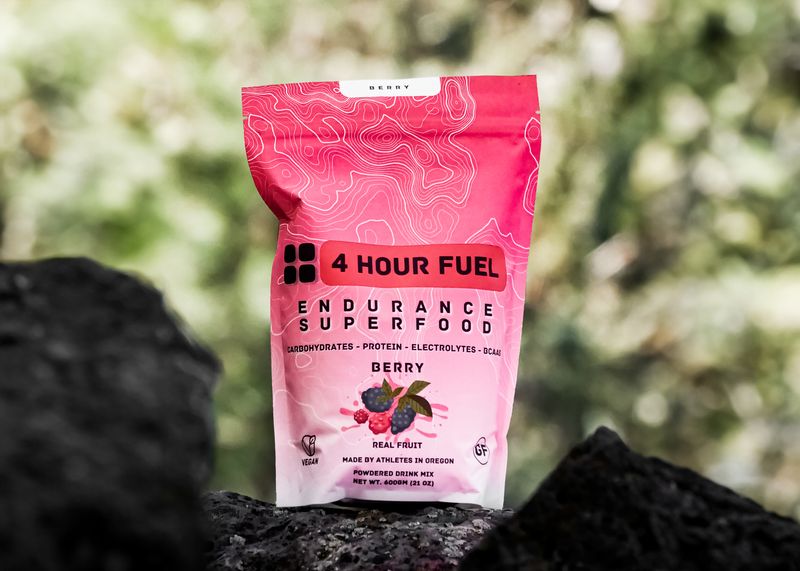
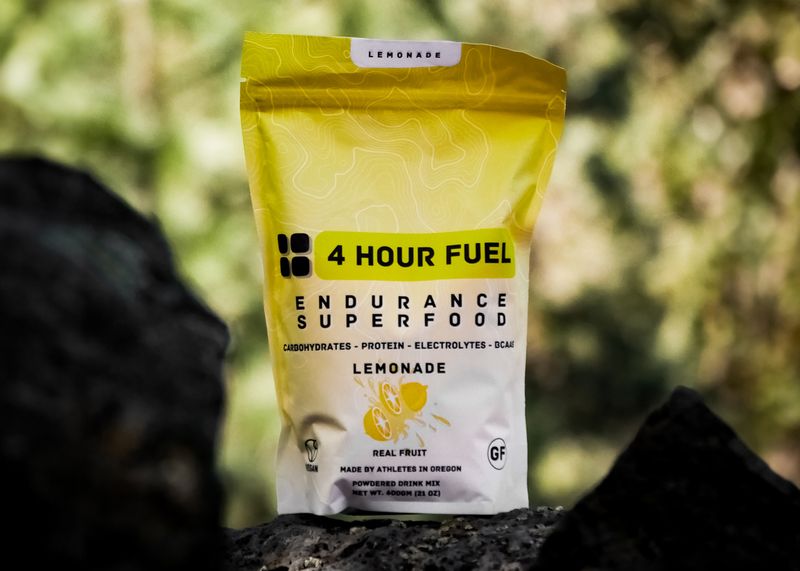
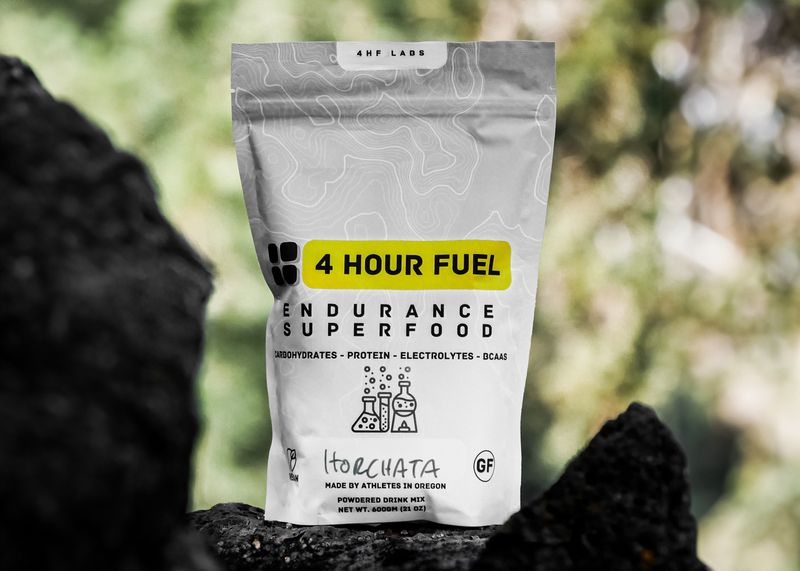
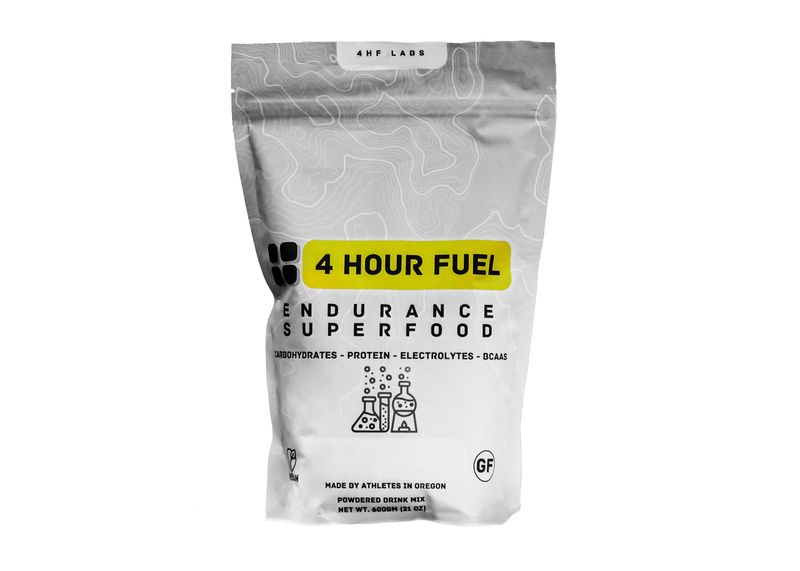
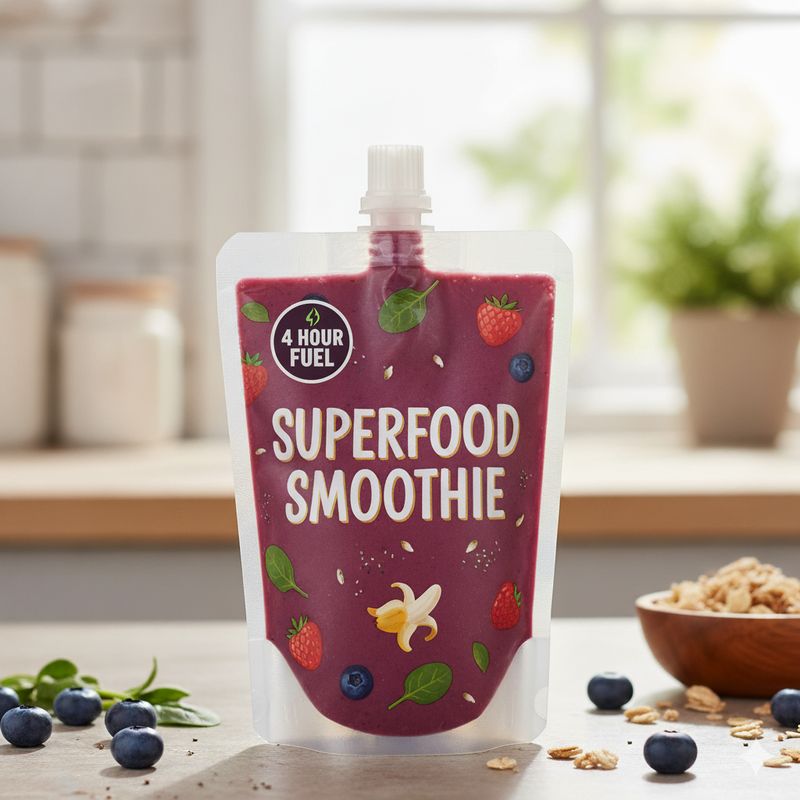
This is where something like 4 Hour Fuel earns its keep—real fruit powder, actual texture, flavors that don't make you want to quit the sport.
We learned this the hard way in Patagonia. We packed what we thought was a smart lightweight setup - a sugar-and-salt drink mix, macadamia nuts, and some jerky for protein. It worked fine until it didn't, and then we had no recourse. It did unspeakable things to our tongues (and guts) after a not very long while. Oops. We took notes, and started building.

Palatability Matters More Than You Think
The best fuel is the one you'll actually consume. If you can't stomach it, the perfect macro profile means nothing. This is where texture, taste variety, and actual food ingredients start to matter. When you're deep in a long effort and everything hurts, you need fuel that goes down easy.
The Protein Question
Pure sugar works for shorter efforts. But 20+ hours in, your body starts craving protein in a way that simple carbs can't satisfy. "Meat hunger" is a real physiological thing. Having some protein built into your fuel keeps you focused and prevents you from chasing whatever smells good at the aid station. (That sloppy carnitas taco at transition area #4 always sounds like a great idea...)
Consistency and Convenience
Your homemade mix is slightly different every time. That's fine for training. On race day, you want to know exactly what you're getting. You also don't want to be doing math at 3am, measuring powder into baggies.
What We Actually Do
Look, we've got a garage literally full of 4 Hour Fuel. We could use it for every single workout if we wanted to.
We don't.
The bulk of our training volume—those 60-90 minute base sessions, the Tuesday tempo ride, the Thursday recovery spin—it's straight-up sugar water. Turbinado, a pinch of salt, some lime juice. Done.
But anything over two hours? That's when 4HF comes out. Long weekend rides, back-to-back training days, race simulations, the real efforts. That's when palatability and real ingredients start to matter. That's when we're glad we didn't burn through our good stuff on a forgettable Wednesday.
The Smart Play
Train cheap. This is where you build your engine, dial in your nutrition timing, and train your gut. Use simple, inexpensive fuel for the bulk of your training hours. Get comfortable with high carb intake. Make your mistakes when they don't matter.
Race with what works. For some people, that's the same DIY mix they trained with. For others, it's premium fuel that they know sits well in their gut and tastes good at hour 10. The worst thing you can do is cheap out on race day with something untested.
Know when to upgrade. A Tuesday recovery spin doesn't need $10/hour fuel. Your goal race does. A training block in January is fine with sugar water. A 24-hour adventure race in the backcountry is not the time to experiment with cost optimization.
The Bottom Line
You don't need to spend a fortune to fuel your training. The basics are simple, cheap, and effective. Serious athletes have been performing on rice, bananas, and homemade drink mixes for generations.
But there's a reason better options exist. When palatability, consistency, and real-food ingredients start to matter—and they will, eventually—the premium is worth it.
Until then, embrace the cheap stuff. Your wallet will thank you. Your gut will adapt. And you'll know exactly when it's time to upgrade.
What's your go-to budget training fuel? We're always looking for new ideas.